Following years of aggressive acquisitions, the beverage giant's local logistics network had become fragmented and inefficient. They operated over a dozen isolated warehouses, each serving different channels: massive supermarkets, convenience stores, and a rapidly growing Direct-to-Consumer (D2C) subscription service. This 'siloed' approach led to massive inventory redundancy, inflexibility, and an empty-mile transport rate exceeding 35%.
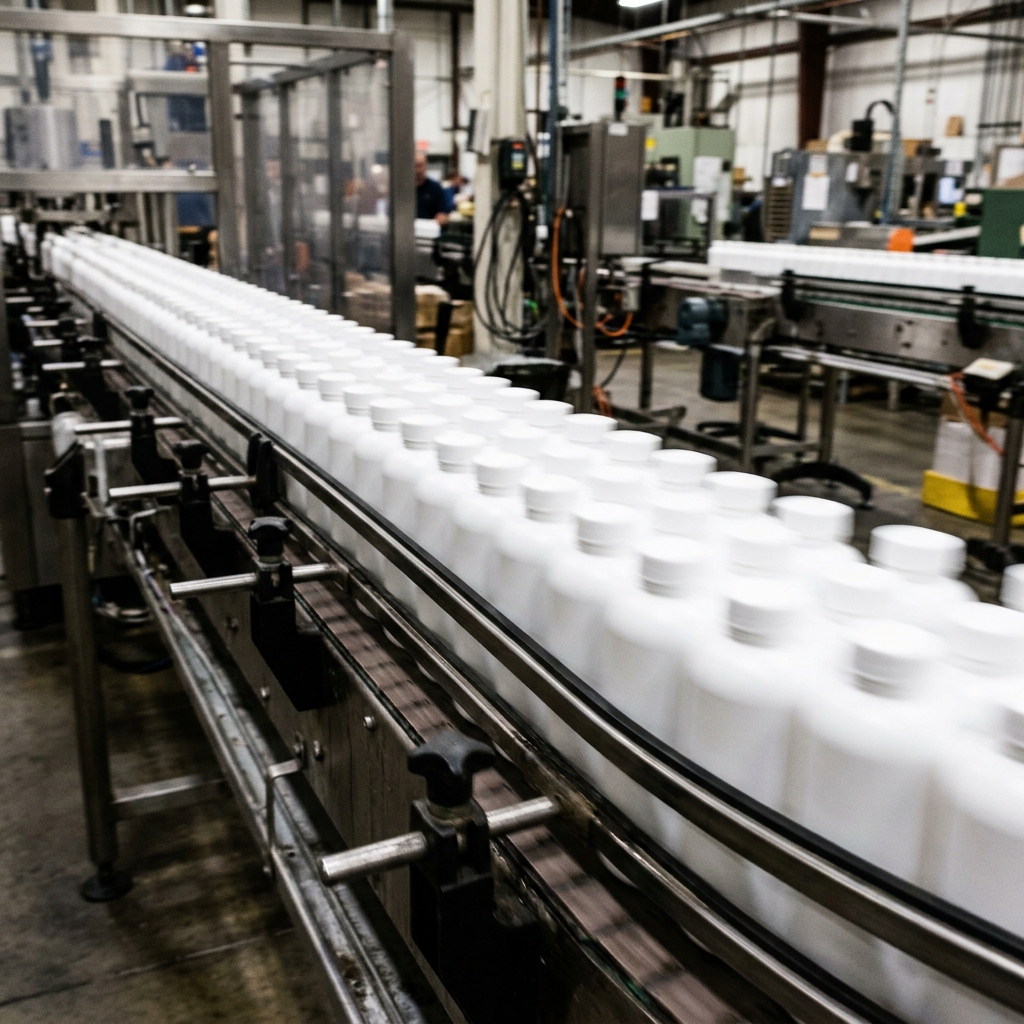
Our supply chain analytics team utilized Digital Twin technology to simulate tens of millions of order paths. We dismantled the channel barriers, consolidating the fragmented facilities into three strategic, highly automated omni-channel fulfillment centers. These mega-hubs were engineered to simultaneously process full pallets for wholesale, mixed cases for retail, and individual parcels for e-commerce, unified under a single dynamic routing TMS.
The aggressive restructuring slashed the client's logistics cost as a percentage of sales by 14%. Furthermore, by unifying the inventory pools, total corporate inventory holding requirements dropped by 22%, unlocking massive working capital and doubling the speed of new product market penetration.